
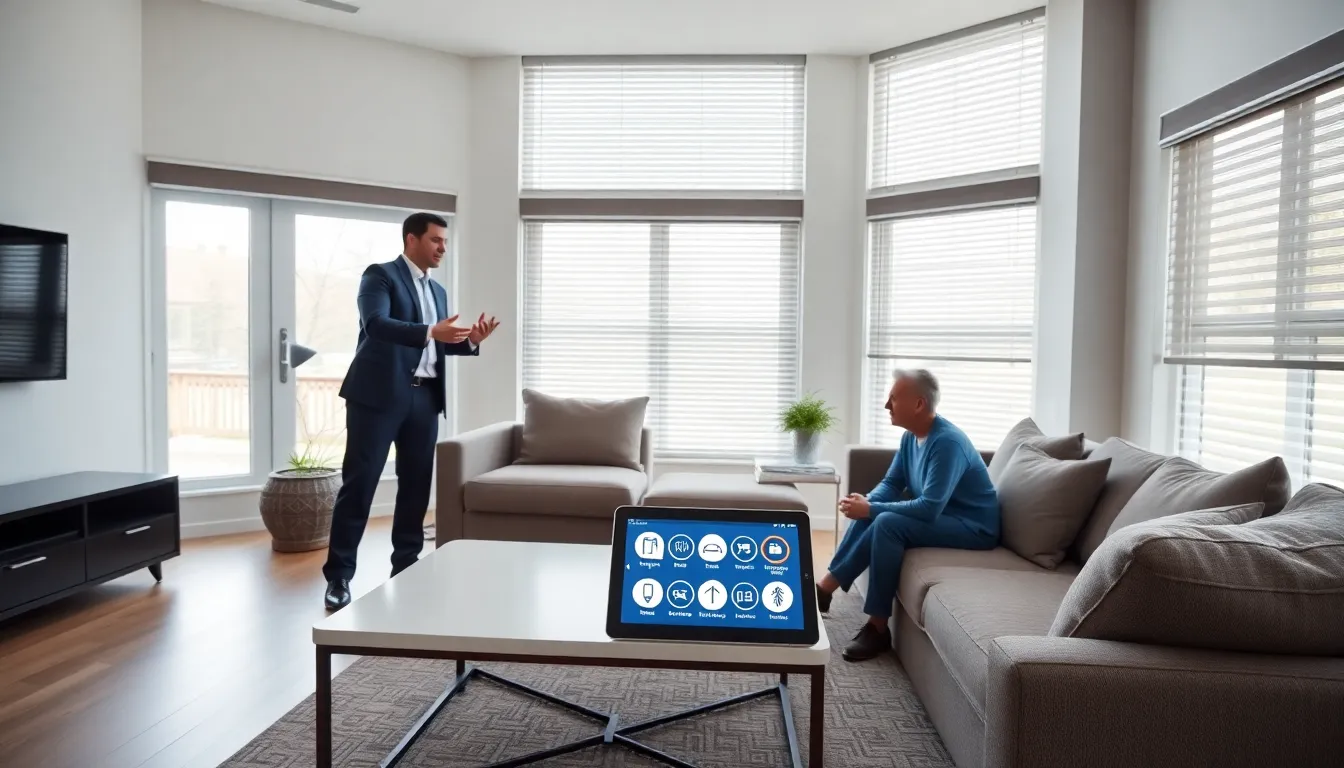
Imagine waking up in a house that knows exactly how you like your coffee. Sounds like science fiction? Welcome to the world of smart homes. With advancements in technology and the expertise of skilled smart home builders, this dream is now a reality. These builders are not just constructing houses: they’re crafting intelligent spaces that can streamline daily living, enhance security, and even cut down on utility bills. Join us as we explore the ins and outs of smart home technology and what it means for modern living.
Understanding Smart Home Technology

The term smart home technology refers to the integration of various devices and systems in a residential setting, allowing them to communicate and be controlled remotely. Imagine a world where your thermostat adjusts the temperature before you even walk through the door, or your lights dim automatically as the sun sets. This connection is achieved through the Internet of Things (IoT), a network of devices that can send and receive data. Homeowners can control everything from their security system to their appliances using a single smartphone app.
This seamless simulation not only offers convenience, but also provides homeowners with greater insights into their energy usage. Smart meters and appliances can track real-time data, giving residents the power to make informed decisions about their consumption. As a result, energy efficiency becomes a key benefit, with some studies suggesting that smart homes can reduce energy costs by as much as 20-30%.
Besides, the technology continues to evolve. Innovations that were once rare, like smart mirrors that provide the weather forecast or kitchen appliances that suggest recipes based on what’s in your fridge, are now becoming more commonplace. As the adoption of smart technologies increases, understanding how they work is critical for homeowners looking to enhance their living spaces.
Key Features of Smart Homes
So, what exactly makes a home ‘smart’? Here are some of the standout features that smart homes typically showcase:
- Home Automation: This encompasses everything from automated lighting systems that adjust to the time of day to smart blinds that can be controlled from the comfort of your sofa. Imagine walking into a room and having the lights turn on automatically.
- Security Systems: Gone are the days of old locks and keys. Smart locks, cameras, and alarm systems allow homeowners to monitor their homes remotely. Some systems even send alerts directly to your phone when suspicious activity is detected.
- Energy Management: Smart thermostats and outlets can optimize energy usage, adjusting settings based on your habits and routines. Users can also remotely control devices to ensure they’re not wasting energy while away.
- Voice Control: Integration with virtual assistants like Amazon Alexa or Google Assistant enables users to control various aspects of their homes using just their voices. Need to set the thermostat to cool down for when you get home? Just ask.
- Smart Appliances: Today, fridges can tell you when you’re low on groceries, ovens can be preheated from your phone, and washing machines can be programmed to run during off-peak energy hours. These conveniences add ease and efficiency to daily chores.
Each of these features contributes to the overall experience of owning a smart home, making daily tasks simpler while enhancing quality of life.
Choosing the Right Smart Home Builder
When it comes to constructing a smart home, selecting the right builder is paramount. Not all builders have the same expertise or level of understanding about smart technologies. Homeowners should consider several factors:
- Experience with Smart Technology: Look for builders who specialize in smart home installations. They should have a portfolio showcasing their prior work, including various types of smart systems they’ve integrated.
- Customization Options: Each homeowner has unique needs that a builder must understand. The best builders offer tailored solutions, empowering clients to choose which technologies and features best suit their lifestyles.
- Technical Support and Maintenance: Just like a car, smart homes require regular upkeep. Opt for builders who provide ongoing support and education for homeowners to ensure they can maximize the capabilities of their technologies.
- Partnerships with Reputable Brands: A quality builder often has established relationships with trusted smart device manufacturers, ensuring that the technology installed is reliable and of high quality.
Carefully vetting potential builders can save time, money, and frustration down the line. Builders who understand both construction and technology are invaluable assets during this process.
Benefits of Investing in Smart Homes
Investing in smart home technology can offer a plethora of benefits:
- Increased Convenience: One of the biggest advantages of a smart home is the sheer convenience. With technology integrated into daily routines, tasks get done faster and often automatically.
- Enhanced Security: Smart security features can provide peace of mind. From cameras to motion detectors, these systems ensure that homeowners can monitor their properties in real-time.
- Energy Efficiency: Many smart homes feature appliances that help conserve energy. They can suggest the most energy-efficient settings and alert homeowners to issues like forgotten appliances still running.
- Higher Property Value: As the demand for smart homes rises, so does their market value. Homes equipped with smart technology often command higher prices and attract more potential buyers.
- Personalization: Smart homes allow for a level of personalization not found in traditional homes. Custom settings can be established based on individual preferences, creating a living space that perfectly suits the homeowner’s needs.
The long-term investment, in both time and finance, can yield significant returns as both the technology and the housing market evolve.
Challenges in Smart Home Construction
While the benefits of smart homes are enticing, several challenges arise during construction:
- Complexity of Integration: The installation of smart technologies can be complex. Ensuring that devices work seamlessly together requires careful planning and technical expertise.
- Cost Considerations: Smart home features often involve a higher upfront cost. Although they may save money in the long run, the initial investment can be daunting for some buyers.
- Technical Issues: Like all technology, smart devices can malfunction. Issues such as network connectivity problems can surface, requiring troubleshooting and support that homeowners may be unprepared to handle.
- Rapidly Changing Technology: The speed at which smart technology evolves can lead to obsolescence. Homeowners might invest in devices that quickly become outdated, which can be frustrating.
Navigating these challenges requires foresight, as well as a comprehensive understanding of both the technology and the construction process. An well-informed choice-making process will make managing these obstacles much easier.
Future Trends in Smart Home Building
As technology progresses, the landscape of smart homes is continuously evolving. Here’s what to watch for in the near future:
- Greater Interoperability Between Devices: Expect to see more devices that work harmoniously together across different brands and systems. A universal standard may emerge that enhances this compatibility.
- Increased Focus on Sustainability: Smart homes not only focus on convenience but also increasingly address sustainability. From energy-efficient systems to eco-friendly materials, builders are considering the environmental impact of homes.
- AI Integration: Artificial intelligence is poised to revolutionize smart home technology. AI is already being integrated into many devices, enabling even more enhanced automation and predictive capabilities.
- Health and Wellness Features: Future smart homes might include features like air quality regulators, fitness tracking systems, and more, catering to the overall health of residents.
The future is bright for smart homes, with plenty of exciting developments looming on the horizon. Builders who stay ahead of the curve can create futures that align with these trends.