
Imagine waking up to the smell of freshly brewed coffee, the blinds lifting automatically to greet the morning sun, and your favorite playlist curating just as you step into the shower. Welcome to the world of IoT in smart homes. The Internet of Things (IoT) takes ordinary living spaces and transforms them into interconnected wonders. While you might think this sounds like something out of a sci-fi novel, it’s rapidly becoming reality. Let’s immerse and explore how IoT is changing the game for homeowners everywhere.
Understanding IoT and Its Role in Smart Homes
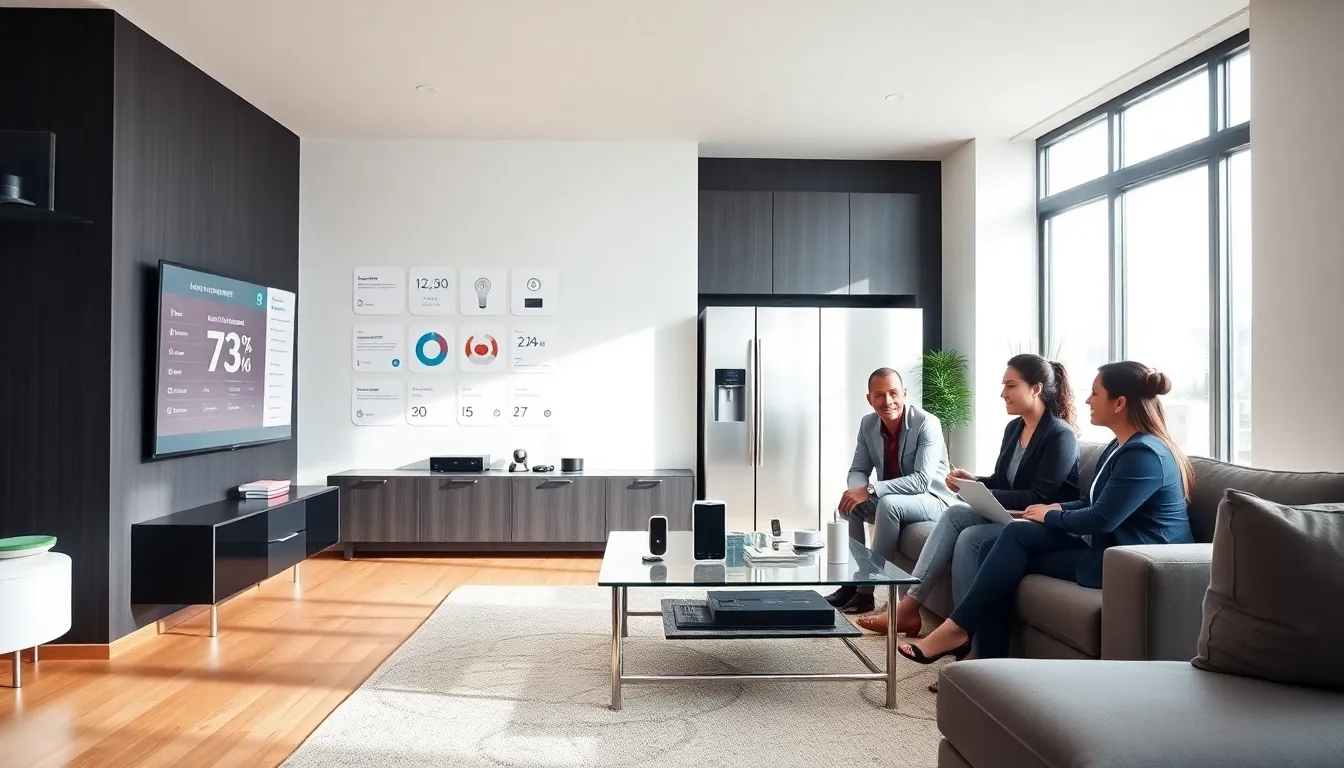
The Internet of Things, or IoT, refers to the network of devices connected to the internet, enabling them to send and receive data. In smart homes, this means everything from your thermostat to your refrigerator can communicate with each other and, often, with you.
At its core, IoT in smart homes creates a seamless interaction between humans and their living environment. Think of it as your home coming alive, responding to your needs, adjusting to your preferences, and helping manage your daily tasks. But, understanding IoT isn’t just about grasping the technology: it’s about appreciating the vast web of data and interconnections that powers these devices.
Key Components of Smart Home IoT Systems
There are several essential components that form the backbone of smart home IoT systems:
- Sensors: These devices gather data, like temperature or movement. They can trigger actions based on predefined conditions.
- Actuators: These mechanisms execute commands sent from a control system, such as turning on a light or adjusting the thermostat.
- Controllers: Often accessed via apps, these systems enable users to manage all devices seamlessly. They serve as the brain of your smart home, orchestrating the ballet of data flows.
- Connectivity: Most smart devices use Wi-Fi, Zigbee, or Bluetooth to communicate, making integration a breeze.
- User Interface: Voice assistants like Amazon Alexa or Google Assistant allow homeowners to interact with their devices hands-free, adding another layer of convenience.
These components work harmoniously to create a fluid ecosystem that enhances daily life.
Benefits of Implementing IoT in Smart Homes
Integrating IoT technology into homes brings a bounty of benefits:
- Energy Efficiency: Smart thermostats adjust heating and cooling based on usage patterns, leading to reduced energy bills.
- Enhanced Security: Smart cameras and doorbell systems provide real-time monitoring, so you always know who’s at your door.
- Convenience: Automating routine tasks frees up time for more enjoyable activities: whether it’s setting the mood with lighting or scheduling appliances to run at optimal times.
- Remote Access: Homeowners can control smart devices from anywhere, providing peace of mind that the garage door is indeed closed or the lights are off.
- Increased Home Value: Homes equipped with IoT devices often see higher resale values, making them a smart investment.
Challenges and Considerations For Smart Home IoT
While the benefits are enticing, adopting IoT in smart homes comes with its own set of challenges:
- Security Risks: Every connected device is a potential entry point for cyber threats. Ensuring robust security protocols is paramount.
- Compatibility Issues: Not all devices play nicely together. Homeowners must navigate compatibility between different brands and technologies.
- High Initial Cost: The upfront investment for smart devices and systems can be considerable, although the long-term savings often offset this expense.
- Data Privacy: With extensive data collection comes significant responsibility. Homeowners must be mindful of how their data is used and shared.
Navigating these challenges requires careful planning and research to ensure an optimized smart home experience.
Popular Smart Home IoT Devices
A quick glance at some popular devices illustrates the breadth of IoT in smart homes:
- Smart Thermostats: Devices like the Nest Learning Thermostat learn temperatures preferences and adjust automatically.
- Smart Speakers: Alexa and Google Home do more than play music, they act as hubs for all smart devices, making voice control a breeze.
- Smart Security Cameras: Ring and Arlo cameras offer high-resolution monitoring and alert you to movements whenever you’re away.
- Smart Lights: Philips Hue allows for color changes and dimming based on your mood or time of day.
- Smart Appliances: From refrigerators that manage inventory to ovens you can preheat via an app, the possibilities are endless.
Future Trends in Smart Home IoT Technology
The future of smart homes looks promising, with several trends on the horizon:
- Artificial Intelligence Integration: Devices will become even smarter, anticipating homeowner needs and preferences through machine learning.
- Advanced Voice Recognition: Expect more nuanced and interactive voice assistants that understand context better, making communication feel more natural.
- Increased Focus on Sustainability: Innovations aimed at energy efficiency and eco-friendly practices will dominate future designs.
- Interoperability Standards: Efforts are underway to establish protocols that enable devices from different brands to communicate more seamlessly.
- Growing Market Reach: As technology becomes more accessible, expect smart home IoT devices to move from luxury items to mainstream necessities.