

Imagine a home that knows you better than your best friend. Sounds like something out of a sci-fi movie, right? Well, welcome to the era of smart homes. With gadgets that can adjust the lighting to your mood and security systems that keep unwanted guests at bay, smart homes aren’t just technologically savvy, they’re also incredibly convenient. As these homes become the norm, anyone looking to buy one needs to understand the ins and outs. This article will guide you through everything you need to know about smart homes for sale, from what defines them to spotting the right features and technologies. Let’s immerse.
What Is a Smart Home?
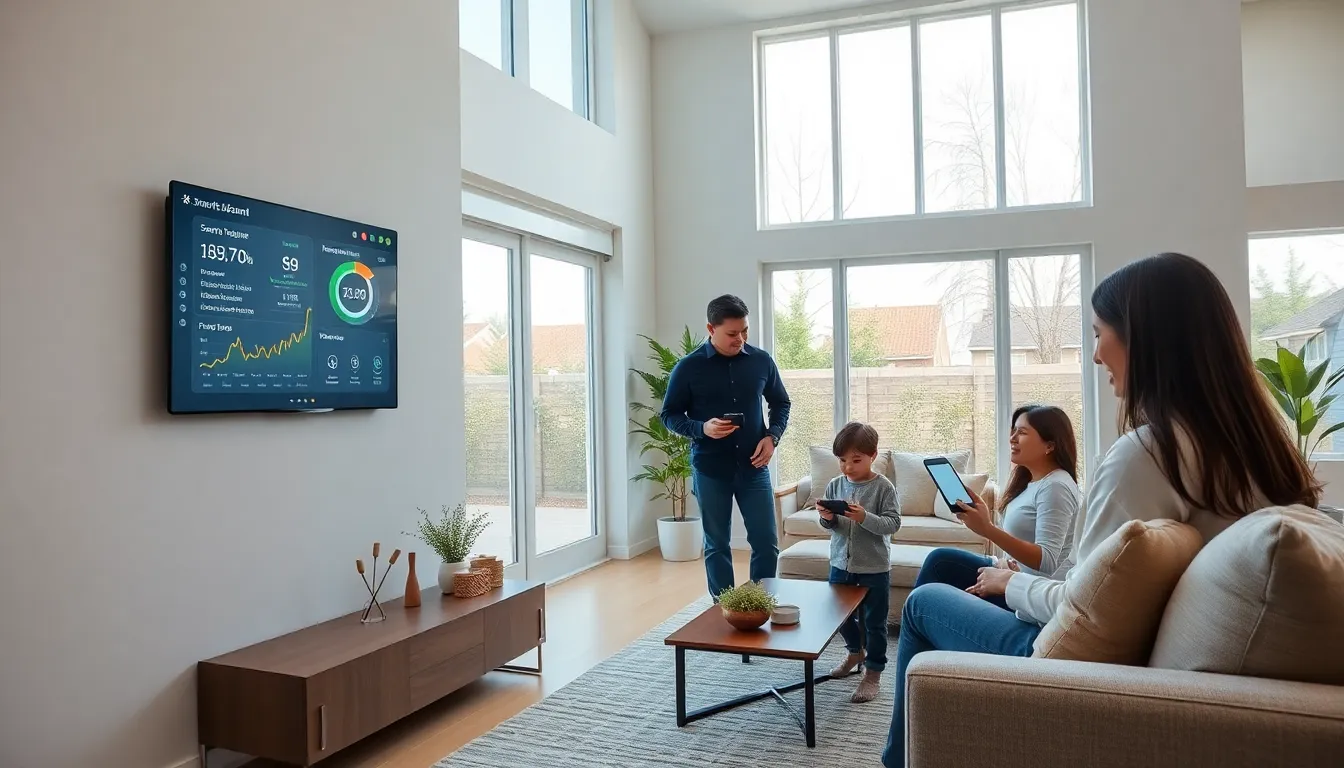
A smart home isn’t just a stylish place to hang your hat: it’s a living ecosystem that incorporates technology to enhance how you interact with your environment. Think of it as a home that makes your life easier and more efficient through automation. Whether you’re looking to manage your thermostat with an app or automate your lights to turn on at sunset, smart homes serve up convenience on a silver platter. But it’s not only about ease: it’s about connectivity.
In a smart home, various devices communicate with each other, drastically improving your living experience. From smart speakers to connected appliances, these homes often come equipped with devices that can be controlled remotely, think of it as your home adapting to your lifestyle instead of the other way around.
In essence, a smart home allows homeowners to enjoy various benefits, including energy efficiency, enhanced security, and sheer comfort.
Key Features of Smart Homes
When searching for smart homes for sale, being aware of key features is crucial. Here’s a concise overview of what to look for:
Home Automation Systems
These systems allow you to control various devices from one central hub or app. You can manage lights, locks, and even your thermostat, all at your fingertips.
Smart Security Systems
Goodbye clunky security cameras. State-of-the-art security systems provide features like remote monitoring, motion detection, and video feeds right to your smartphone.
Smart Lighting
Imagine lights that adjust based on your preferences. Smart lighting systems can change colors, dim automatically, or even sync with your mood.
Energy Management
Smart thermostats and energy monitors help keep utility bills in check. These technologies learn your habits and optimize energy usage accordingly.
Voice Control
With devices like Amazon’s Alexa and Google Assistant, you can control virtually everything in your smart home with just your voice, making it incredibly user-friendly.
Benefits of Buying a Smart Home
The allure of smart homes goes beyond just flashy gadgets. Homebuyers can reap significant benefits, including:
Energy Efficiency
Many smart devices are designed to optimize energy usage, resulting in lower utility bills. You’ll not only save money but also contribute to environmental sustainability.
Enhanced Security
Smart security systems offer real-time alerts and remote monitoring, giving homeowners peace of mind while they’re away. They can even tap into AI for advanced safety features.
Convenience
With smart technology, daily tasks become easier. Whether scheduling your coffee maker or controlling the temperature, it feels like magic.
Increased Property Value
As smart homes grow in popularity, properties equipped with smart technologies may see an increase in market value. Buyers often prioritize homes with modern conveniences.
Smart Home Technologies to Look For
Not all smart technologies are created equal. When on the hunt for smart homes for sale, consider these cutting-edge technologies:
Smart Appliances
From refrigerators that help manage your grocery list to ovens that can be preheated remotely, smart appliances add another layer of convenience.
Home Networking
A robust home network is essential for seamless connectivity between your devices. Ensure the Wi-Fi is strong and capable of handling multiple devices without a hitch.
Integrative Platforms
Look for homes utilizing systems like IFTTT or Samsung SmartThings. These platforms allow for different devices to work in unison, further enhancing your home automation experience.
How to Find Smart Homes for Sale
Finding the right smart home can be a thrilling adventure if you know where to look. Here are some strategies:
Online Real Estate Platforms
Websites like Zillow and Realtor.com offer filters specifically for smart home features. This makes it simple to narrow your search.
Local Real Estate Agents
Realtors often have inside knowledge and can point you toward listings that fit your smart home criteria.
Smart Home Expos
Attending expos or events focused on smart home technology can connect you with developers and real estate professionals specializing in smart homes.
Considerations When Purchasing a Smart Home
While smart homes offer enticing features, some considerations are crucial to keep in mind:
Compatibility
Ensure that the smart technologies in the home are compatible with those you already own or plan to purchase. A little research can save headaches down the line.
Updates and Maintenance
Smart devices often require software updates. Check if the previous owners kept their systems updated and find out how easy it is to perform these updates.
Privacy Concerns
With the convenience of connectivity comes the risk of data breaches. Be aware of what kind of data the devices collect and how it’s used.
Reliability
Not all smart devices are created equal. Research the brands incorporated into the household to ensure they are reliable and well-reviewed.
Future Trends in Smart Home Technology
The smart home technology landscape is continuously evolving. Here are some trends to watch for:
AI Integration
Expect smarter devices that learn your habits and preferences, making them more intuitive and user-friendly.
Energy Efficiency Innovations
As technology progresses, look for even smarter energy management systems that further reduce utility costs and improve environmental impact.
Enhanced Security Features
AI-driven home security systems that predict and react to potential threats are likely to become standard, offering increased protection.
Voice & Face Recognition
Imagine entering your home without needing to fumble with keys or remember passwords. Intelligent entry systems using voice and face recognition could soon be a reality.