

Ever wondered where HP laptops come from? Spoiler alert: they aren’t all stuffed into a magical box labeled “Made with Love”. As one of the giants in the laptop world, HP’s manufacturing locations span the globe, making their products both fascinating and diverse. Whether you’re plugged into the latest model or still using a trusty older version, let’s uncover the journey of HP laptops from factory to fingertips, sprinkled with some fun facts along the way.
Overview of HP’s Manufacturing Locations
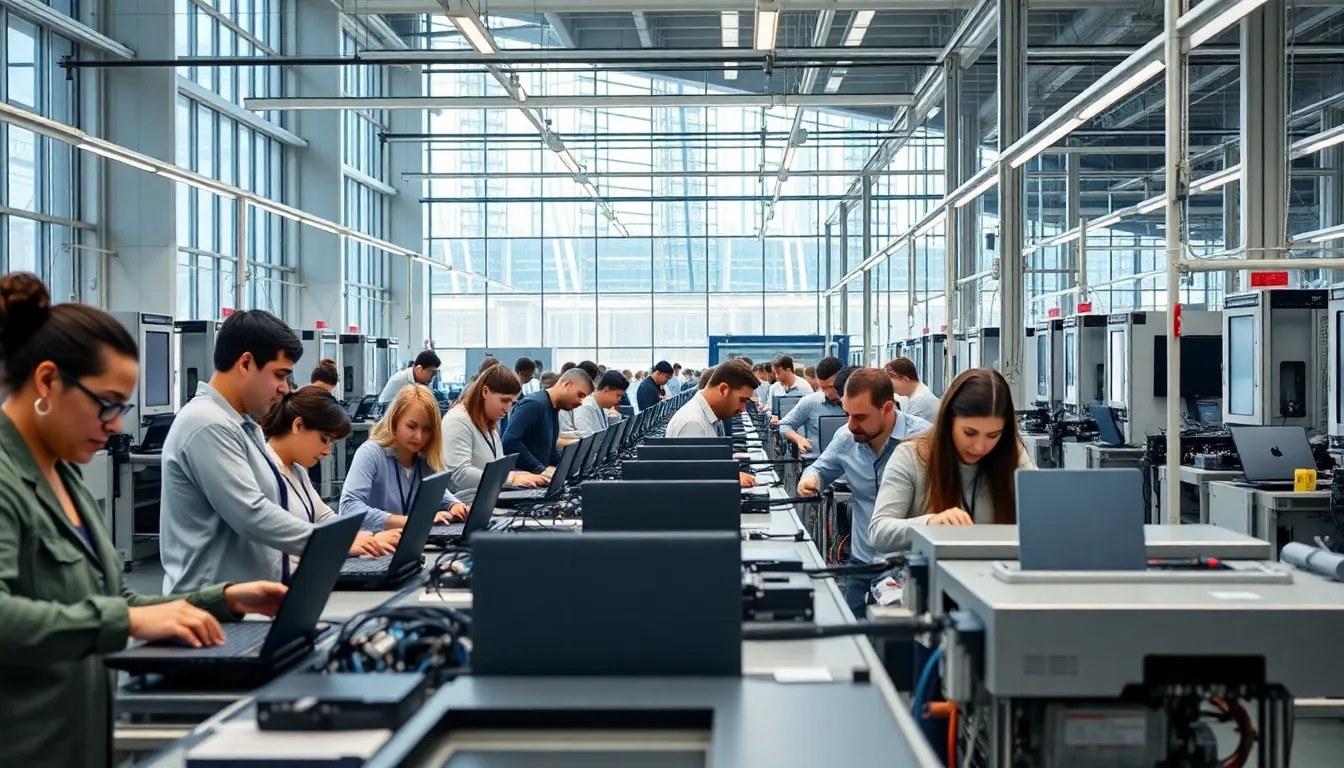
HP has cemented itself as a titan in the laptop arena. This leads to the inevitable question: where exactly are these laptops manufactured? The answer is quite the globe-trotting adventure.
HP has numerous factories dotted across key regions including:
- China
- Vietnam
- India
- Singapore
- Thailand
These strategic locations allow HP to harness local resources, labor benefits, and proximity to other tech suppliers. It’s not just about having a factory: it’s about being in the right place, at the right time, with the right team. Manufacturing centers in Asia particularly play a crucial role in bringing HP’s diverse range of laptops to life.
Main Manufacturing Facilities
Digging deeper into these manufacturing locations, HP operates several main facilities.
- Shenzhen, China is where a significant chunk of HP’s laptop assembly takes place. It’s often referred to as the tech hub of the world, boasting access to a skilled workforce and cutting-edge technology.
- Bac Ninh, Vietnam also shines as a rising star. After the U.S.-China trade tensions, many companies, including HP, have shifted some of their manufacturing capabilities here. This move not only ensures better trade relations but also benefits from competitive labor costs.
- Pune, India is another pivotal site, mainly focusing on catering to the booming local market while exporting products globally. HP’s investment in the Indian market highlights its commitment to not just outsourcing but also developing local economies.
Each of these facilities operates with the latest in assembly line logistics, emphasizing efficiency and speed. Of course, HP continuously evaluates its options, ensuring they adapt to marketplace changes.
Sourcing Components for HP Laptops
While HP’s manufacturing plants are essential, the tapestry of their laptops is woven from countless parts sourced from around the world. Components like processors, displays, and memory chips come from various suppliers, contributing to the final product.
For example:
- Chipsets may come from Intel or AMD, both of which have facilities across multiple countries, predominantly in the U.S.
- Displays are often sourced from suppliers in South Korea and Japan, known for their advanced display technologies.
- Keyboards and batteries often find their origins in nearby Southeast Asian countries, ensuring timely delivery through efficient logistics networks.
This global sourcing strategy aligns with HP’s goal to maintain high standards without compromising on quality. It’s a continuous balancing act, ensuring that the components not only meet HP’s specifications but arrive precisely when they’re needed.
The Role of Global Supply Chains
Supply chains are the silent heroes behind the curtain that ensure HP laptops reach shelves efficiently. But what exactly do supply chains signify for HP?
In today’s interconnected economy, HP leverages a robust global supply chain that involves suppliers, manufacturers, and distributors across continents. This extensive network plays a vital role in:
- Risk Management: Dispersing manufacturing and sourcing helps mitigate risks such as political turmoil or natural disasters.
- Cost Efficiency: Economies of scale can be realized through strategic partnerships, allowing HP to produce high-quality laptops at competitive prices.
- Innovation Speed: By working with a diverse array of suppliers, HP can carry out cutting-edge technologies more rapidly than competitors who might rely heavily on a single source.
So, HP’s strategic maneuvering within these supply chains enables it to stay ahead of the tech curve while maintaining product quality.
Impact of Manufacturing Locations on Quality
Manufacturing locations inherently affect the quality of HP laptops. It’s no secret that different regions have varying standards and technologies. For instance:
- Chinese factories are often lauded for their high efficiency, but there have been debates about quality control. HP has worked rigorously to ensure that local workers receive training that meets global standards.
- Vietnamese facilities, on the other hand, are known for their diligence and attention to detail, often yielding laptops that are exceptionally high in quality.
HP’s commitment to maintaining rigorous quality checks and standards across all its facilities ensures that even though differences in location, customers receive reliable products. They might not always be perfect, but HP strives for excellence while adapting to each factory’s unique characteristics.
Future Trends in HP Laptop Manufacturing
As the tech landscape continues to evolve, HP’s approach to laptop manufacturing is also changing. Here are a few trends to keep an eye on:
- Sustainable Practices: Consumers are increasingly leaning toward environmentally friendly products. HP is committed to incorporating more recycled materials in laptop production, setting an example in the industry.
- Automation and AI Integration: With advancements in technology, HP is expected to further automate its manufacturing processes, leading to improved efficiency and quality control.
- Localized Manufacturing: In response to global events and supply chain disruptions, HP may consider shifting toward localized or nearshoring strategies to mitigate risks associated with long-distance logistics.
These trends will shape the future of HP’s manufacturing landscape while ensuring that they remain competitive in a rapidly changing market.